

How to Document Prompts for Team Training
July 11, 2026
What Is an Elite Prompt vs. a Beginner Prompt?
July 13, 2026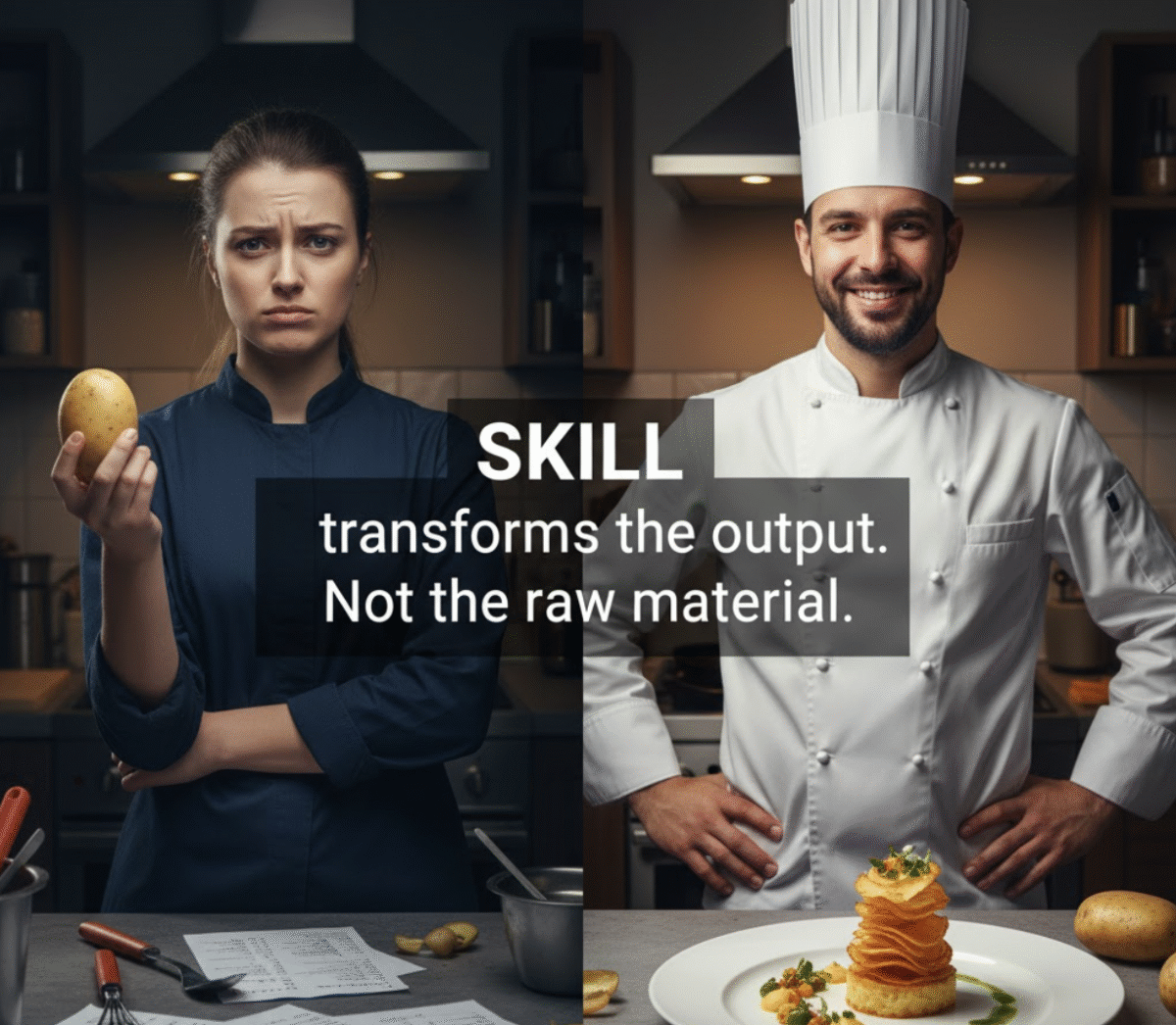
Introduction
Ever wondered why two users can get wildly different results from the same AI model? The secret isn’t always the model itself — it’s the prompt. Even the most advanced AI model can underperform if the prompts are vague, unstructured, or incomplete. For smart AI users, mastering prompts often delivers more value than chasing the latest model upgrade.

Why Prompts Matter More Than Models
High-performing prompts can dramatically improve AI output. Here’s why:
- Clarity: A well-written prompt tells the AI exactly what you want, reducing guesswork.
- Structure: Organizing your instructions logically ensures consistent results.
- Context: Including relevant context allows AI to generate responses tailored to your needs.
- Focus: Narrowed prompts reduce irrelevant information and increase accuracy.
Example: Two users ask the same model to “write a marketing email.” User A says “Write a marketing email” while User B specifies “Write a concise, friendly marketing email promoting a new AI productivity tool to SMB owners, highlighting time-saving features.” User B’s output is far more targeted and usable.
How Prompt Tuning Outperforms Model Upgrades
Instead of waiting for a new AI model version, focus on prompt tuning:
- Iterative Refinement: Adjust and test prompts to improve outputs without changing the model.
- Templates & Frameworks: Use pre-built prompt structures for repeatable results.
- Outcome-Oriented Prompts: Frame prompts around a specific goal, like lead generation, content creation, or analysis.
Studies and practical examples consistently show that refining prompts can yield results equivalent to or better than upgrading the AI model alone (OpenAI, 2023).
How My Magic Prompt Helps
My Magic Prompt makes prompt tuning easy and strategic:
- Prompt Builder: Quickly craft structured, goal-oriented prompts.
- Prompt Templates: Access curated templates for different AI use cases.
- AI Toolkit: Test, refine, and iterate prompts to maximize model performance.
Practical Tips for Better Prompts
- Be specific: Include context, format, and tone.
- Use constraints: Word count limits, style guidelines, or examples.
- Test iteratively: Adjust phrasing and structure to see what works best.
- Leverage prompt libraries: Pre-built prompts save time and ensure quality.
FAQ
Q1: What’s the difference between a good and bad prompt?
A: A good prompt is clear, structured, and outcome-focused. A bad prompt is vague, incomplete, or open-ended, leading to inconsistent results.
Q2: Can prompt tuning replace model upgrades?
A: Often, yes. Optimized prompts can achieve comparable improvements without switching models.
Q3: How can I organize my prompts for better use?
A: Use folders, tags, or libraries (like My Magic Prompt’s prompt library) to track and reuse high-performing prompts.
Q4: Are there templates for specific tasks?
A: Absolutely. My Magic Prompt offers templates for content creation, marketing, data analysis, and more.
Q5: How do I measure prompt performance?
A: Evaluate outputs against clarity, relevance, creativity, and alignment with your goal.
Conclusion & Soft CTA
Focusing on prompts over models empowers smarter AI use. Instead of chasing every new model version, refine your prompts to achieve better results faster. Explore My Magic Prompt to access templates, tools, and frameworks that make prompt tuning effortless and highly effective.