

AI Hallucinations: The Prompts to Fact-Check and Verify AI Output
March 16, 2026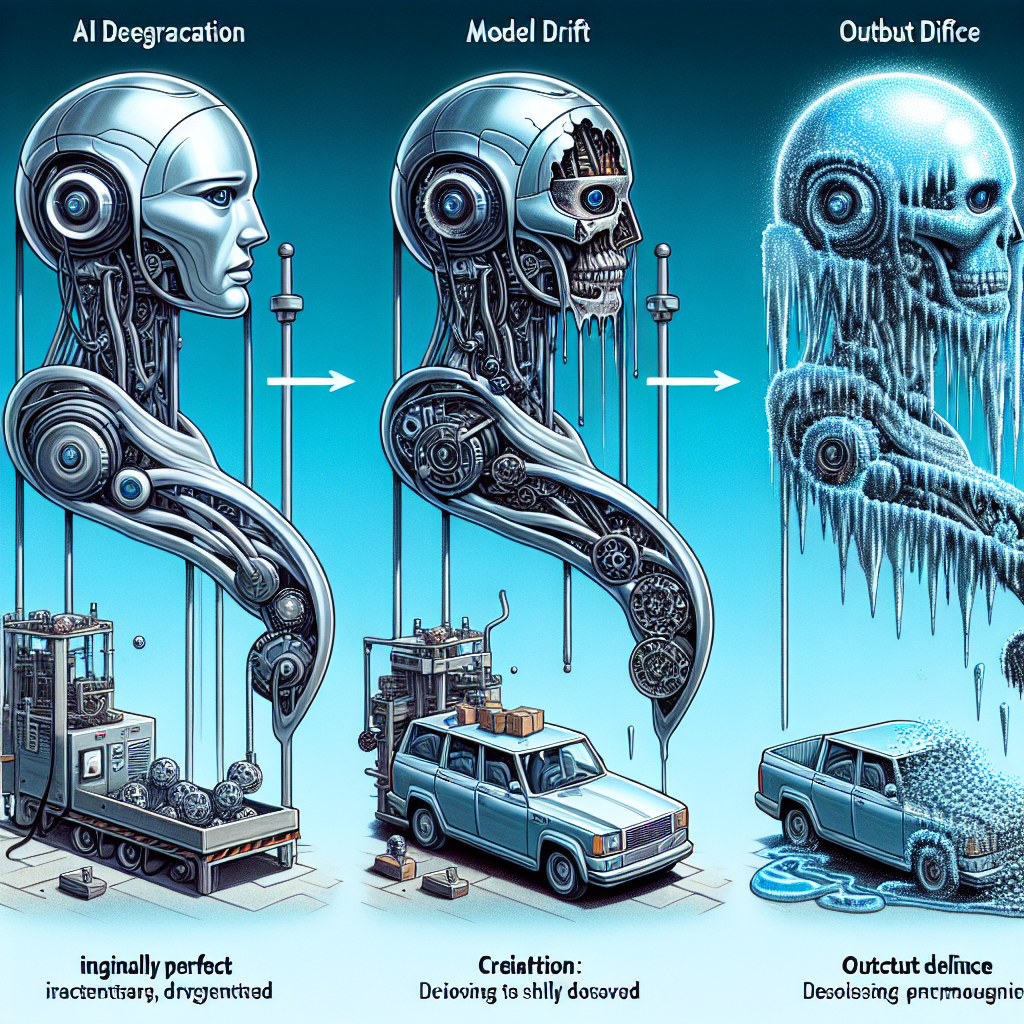
AI Model Performance Degradation Over Time: Why Outputs Decline and How to Fight Model Drift
Ever wondered why your favorite AI chatbot—or even your own custom AI model—starts giving less helpful, oddly repetitive, or just plain “off” responses over time? If you’re noticing output decline, you’re not alone. AI degradation, or model drift, is a real challenge for anyone who relies on AI for productivity, creativity, or business efficiency. But understanding why this happens, and how to mitigate it, is the secret weapon of smart AI users. Let’s dive in!
What Is AI Degradation and Model Drift?
AI degradation refers to the decline in an AI model’s performance after its initial training. This can show up as:
- Less accurate or less relevant outputs
- Increased repetition or “safe” but bland responses
- Failure to adapt to new trends, data, or user needs
Model drift happens for several reasons, including:
- Outdated training data
- Shifts in user behavior or language
- Unintended consequences of repeated prompt patterns
Even top-tier models like ChatGPT, Claude, or Gemini are not immune—see this MIT Technology Review analysis for recent examples.
How to Mitigate Output Decline: Practical Strategies
You can’t always retrain an AI model yourself, but you can get smarter about prompt engineering. Here’s how:
-
Refresh and Rotate Prompts Regularly
Don’t use the same template for months. Update your prompts to reflect new information or shifting goals. -
Be Specific and Contextual
Vague prompts accelerate decline. Add context, examples, or constraints to keep outputs sharp. -
Track and Review Output Quality
Create a simple checklist:- Is the answer accurate?
- Does it sound repetitive?
- Is it actionable and relevant to today’s needs?
-
Leverage Prompt Generation Tools
Tools like My Magic Prompt help you craft high-quality, varied prompts faster—reducing the risk of model drift by keeping your inputs fresh and strategic.
Prompt Refresh Framework
| When to Refresh | What to Update | How My Magic Prompt Helps |
|---|---|---|
| Monthly or when outputs decline | Examples, context, constraints | Suggests new angles and structures |
| After major industry changes | Keywords, references | Generates up-to-date prompt variants |
Want even faster prompt iteration? Try the Magic Prompt Chrome Extension for one-click prompt generation across leading AI models. For more on model drift in machine learning, see this IBM guide.
FAQs: AI Degradation, Model Drift, and Consistent Output
- What causes AI model performance degradation?
- Common causes include outdated training data, shifts in user behavior, overused prompt patterns, and lack of model updates.
- How do I know if my AI’s output is declining?
- Watch for increased repetition, less relevant answers, or outputs that no longer match current needs. Regularly review and compare recent results.
- Can I fix AI degradation myself?
- While you can’t retrain large models, you can improve output quality by updating your prompts, adding context, and using prompt generation tools.
- How often should I refresh my AI prompts?
- Monthly is a good rule of thumb, or whenever you notice output decline or changes in your project needs.
- Does prompt engineering help with model drift?
- Absolutely! Strategic prompt engineering can keep AI outputs fresh, relevant, and aligned with your goals, even as models age.
Smart AI users know that great prompts are the antidote to output decline. Explore My Magic Prompt to level up your prompt game and keep your AI models performing at their best.