
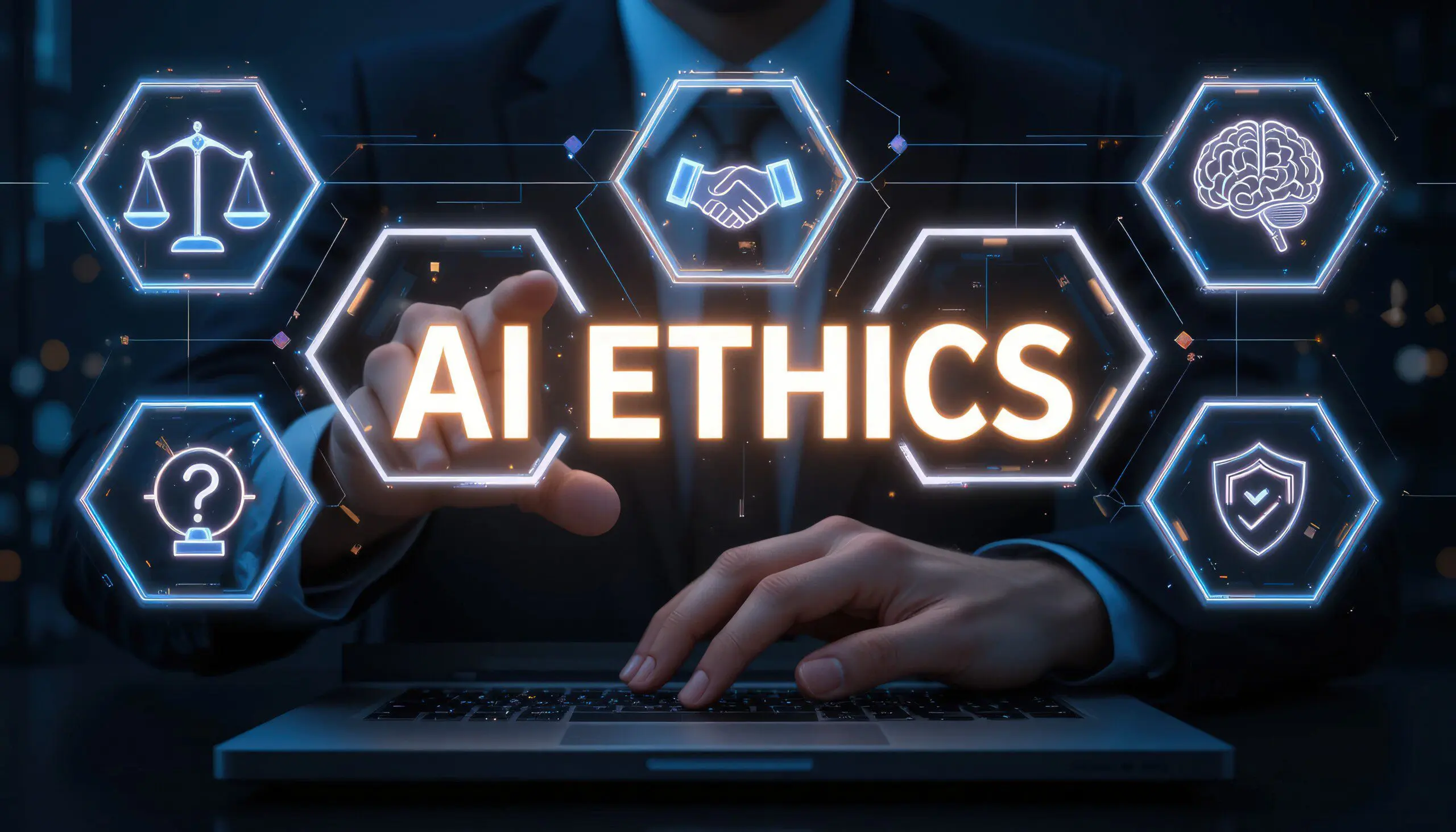
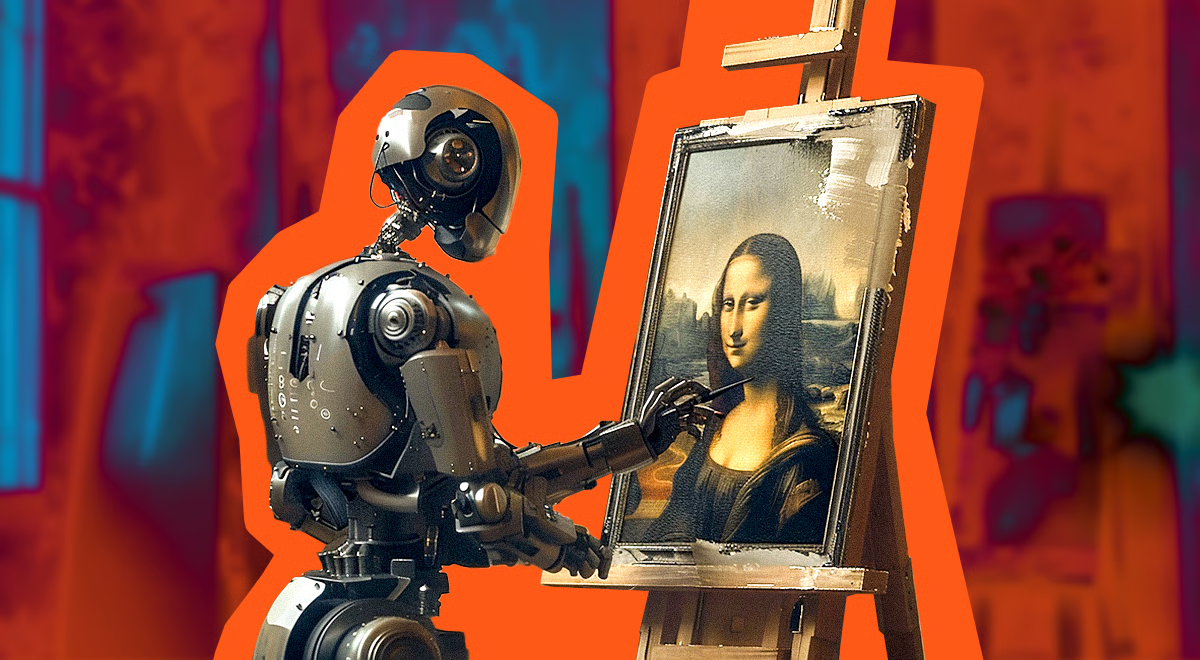
Introduction: Why Ethics Matter in AI Content
AI-generated content is everywhere—from blogs to ads to academic drafts. But as powerful as these tools are, creators face a crucial question: How do we use AI responsibly?
The rise of AI in creative work has sparked debates about originality, ownership, and transparency. If you’re a creator, understanding AI content ethics isn’t optional—it’s part of building trust with your audience.
That’s why tools like My Magic Prompt are designed not only for productivity but also for safe, transparent, and compliant prompt usage.
Key Ethical Considerations in AI Content Creation
1. Originality vs. Plagiarism
AI can generate impressive drafts, but sometimes it pulls too closely from existing material. Always review, fact-check, and rewrite in your own voice.
2. Transparency with Audiences
Should you tell readers when content is AI-assisted? Increasingly, yes. Transparency builds trust. Even Harvard Business Review notes that disclosure is becoming an industry best practice.
3. Bias and Fairness
AI models learn from human data—and inherit human biases. Be mindful when generating content about sensitive topics, and actively edit for inclusivity.
4. Ownership and Credit
Who owns AI-generated content—you, or the AI? Legally, ownership rests with the user, but ethical crediting matters. For instance, credit AI as a tool, not as an author.
5. Compliance in Regulated Industries
If you’re in finance, healthcare, or law, accuracy isn’t just ethical—it’s legal. That’s why AI workflows should always be paired with human oversight.
How My Magic Prompt Supports Ethical AI Use
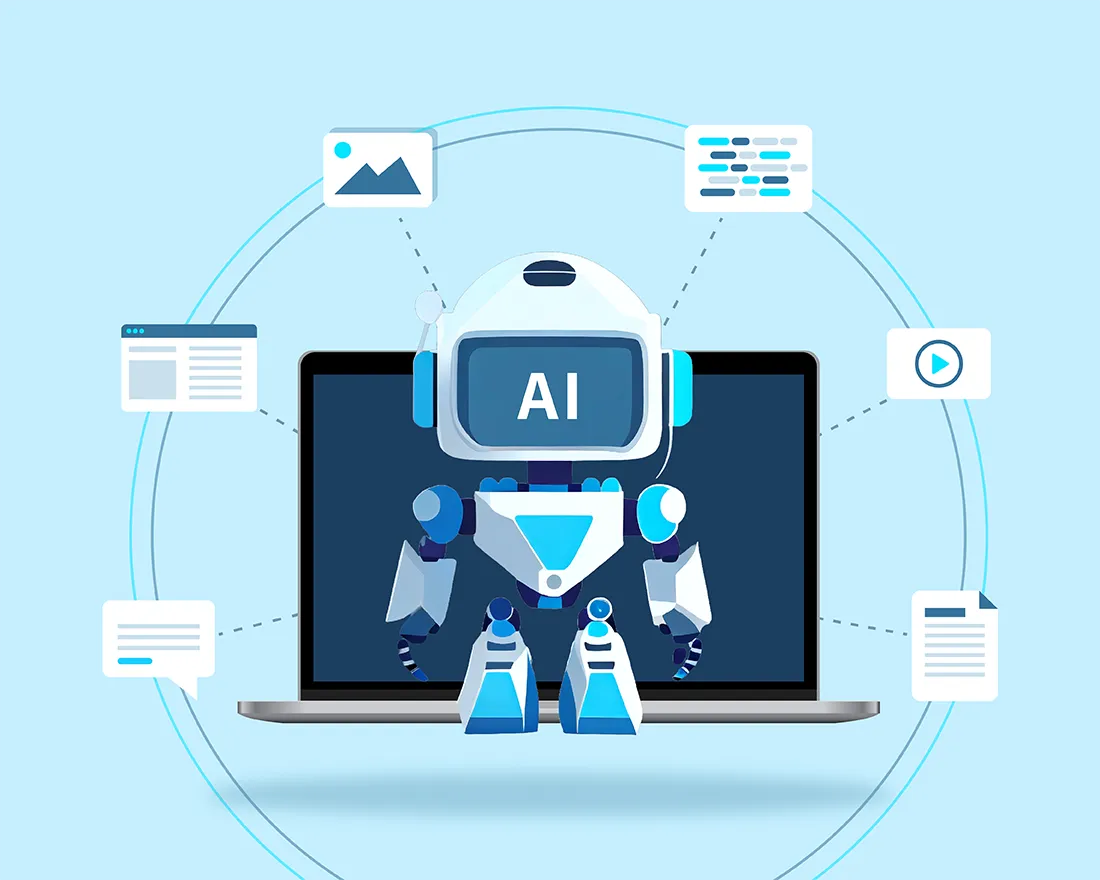
Unlike generic AI interfaces, My Magic Prompt’s Chrome Extension helps users design responsible, context-aware prompts.
With My Magic Prompt you can:
- Save ethical prompt templates for consistent use.
- Use the prompt builder to refine context and avoid vague or misleading instructions.
- Access a growing AI toolkit that encourages compliance and transparency.
👉 Learn more about how My Magic Prompt features simplify and safeguard your creative process.
External Perspectives on AI Ethics
The ethical debate is ongoing, and major voices are shaping the conversation:
- OpenAI emphasizes long-term responsibility in AI use.
- TechCrunch highlights rising concerns around misinformation and authenticity in AI-generated text.
By staying informed through thought leaders and research, creators can adapt their workflows responsibly.
FAQ: AI Content Ethics
Q1: What are AI content ethics?
Guidelines and principles to ensure AI is used responsibly in generating text, images, or other creative work.
Q2: Do I have to disclose when I use AI?
Not always legally required, but disclosure builds audience trust.
Q3: Can AI-generated content be copyrighted?
You can claim ownership as the user, but AI itself can’t hold copyright.
Q4: How do I avoid bias in AI outputs?
Use well-structured prompts, review results critically, and edit for inclusivity.
Q5: Are there industries where AI content use is riskier?
Yes—finance, healthcare, and legal fields require extra compliance and fact-checking.
Conclusion: Create with Integrity
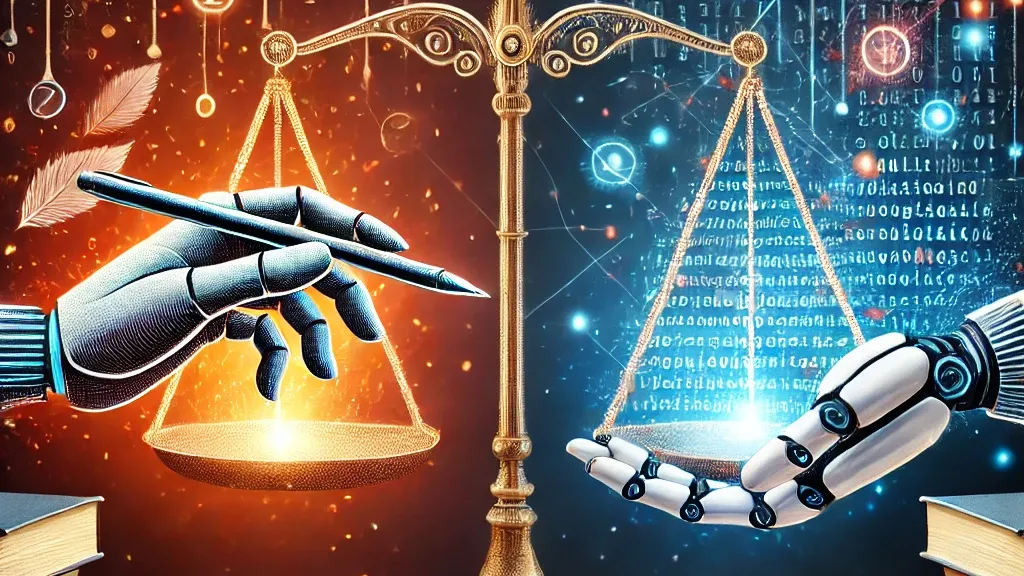
AI is a powerful assistant, but responsibility lies with the creator. By following AI content ethics, you can harness the speed and scale of AI without compromising quality, trust, or compliance.
👉 Explore My Magic Prompt to make your AI-powered workflows smarter, faster, and more ethical.