
How to Build a Prompt Shortcut System in Chrome
July 3, 2026
How to Build a Prompt Workflow for YouTube Channels
July 6, 2026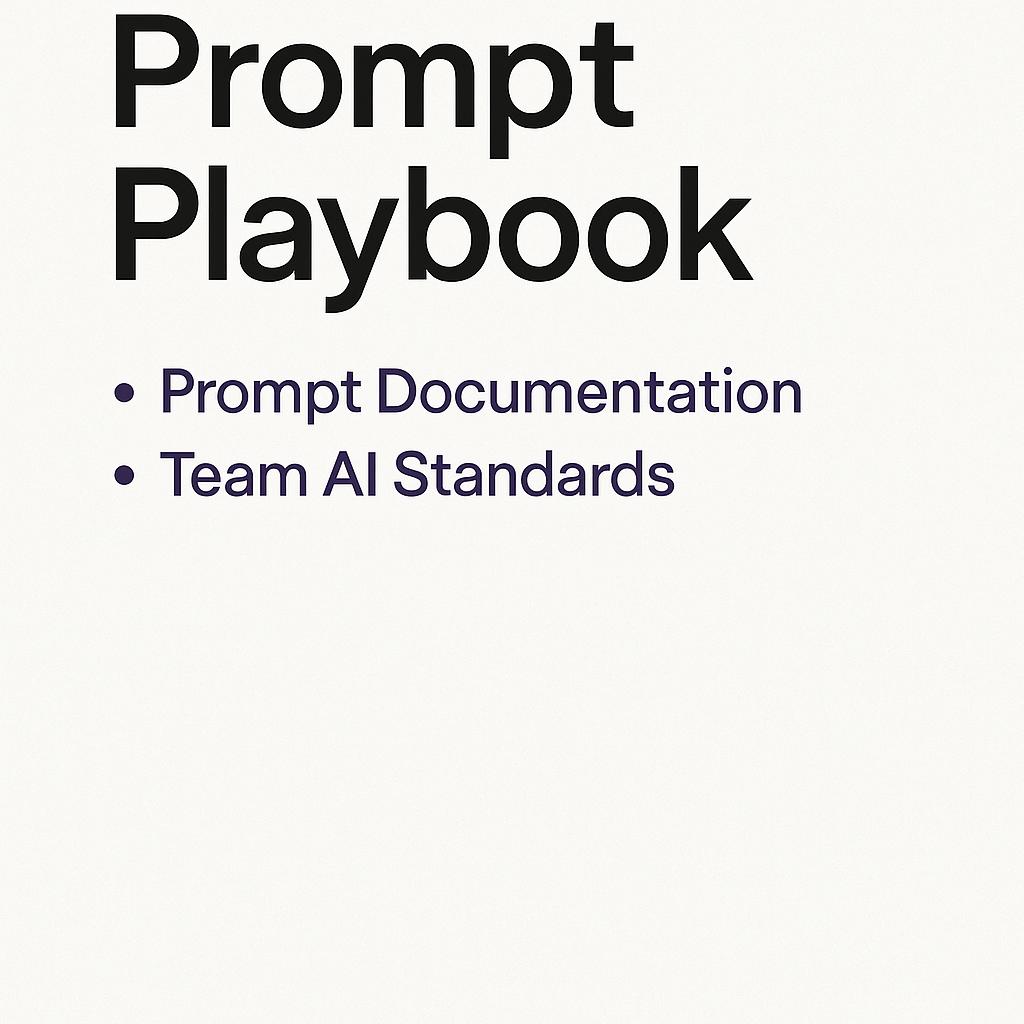
How to Build a Prompt Workflow for Book Writing
Ever stared at a blank page, cursor blinking, waiting for inspiration to strike? If you’re writing a book with the help of AI, you know that the real magic isn’t just in asking ChatGPT or Claude for “help with a chapter” — it’s in designing, testing, and refining prompts that reliably unlock creativity and productivity. The secret weapon? A prompt playbook and smart prompt documentation that keeps your team aligned and your ideas flowing.
Why Your Team Needs a Prompt Playbook
Just like you wouldn’t write a novel without an outline, you shouldn’t rely on improv when it comes to AI prompts. A prompt playbook is your shared reference for:
- Recording which prompts work best for brainstorming, drafting, or editing
- Documenting tweaks and improvements over time
- Establishing team AI standards so everyone gets consistent results
Whether you’re collaborating with editors or co-authors, or just want to future-proof your solo workflow, building a playbook saves time and frustration.
How to Build Your Prompt Workflow: Step-by-Step
-
List Your Book Writing Tasks
- Outlining chapters
- Developing characters
- Researching settings or facts
- Drafting and editing prose
-
Create and Test Prompts for Each Task
- Write specific prompts for each use case (e.g., “Draft a scene where the protagonist faces their biggest fear.”)
- Test with your preferred AI model (ChatGPT, Claude, Gemini, etc.)
- Log the results: What worked? What needs tweaking?
-
Document and Organize Your Prompts
- Use tools like My Magic Prompt to save, tag, and revisit your best-performing prompts
- Include notes on context, model, and effectiveness
-
Refine and Standardize
- Share your playbook with collaborators
- Establish guidelines for prompt formatting and version control (see more on prompt engineering best practices)
Pro Tips for Team Prompt Documentation
- Keep a changelog: Note why and when prompts are updated
- Version your prompts for different AI models
- Regularly review and archive outdated prompts
- Use browser extensions like MagicPrompt Chrome Extension for quick access and sharing
FAQ: Building a Prompt Playbook for Book Writing
- What is a prompt playbook?
- A prompt playbook is a living document where you and your team store, organize, and improve your AI prompts over time, ensuring consistent, high-quality outputs.
- How do I document prompts effectively?
- Include the prompt text, intended use case, model/version, test results, and revision history. Tools like My Magic Prompt streamline this process.
- Why standardize prompts for a team?
- Standardization ensures everyone on your team gets similar, reliable results when using AI, improving productivity and reducing confusion.
- Can I use different prompts for different AI models?
- Yes! Some prompts work better with specific models. Document which prompts pair best with ChatGPT, Claude, or Gemini, and adjust as models evolve.
- How often should I update my prompt playbook?
- Review and refine your playbook regularly — especially when AI models update or your book’s direction changes.
Ready to Level Up Your Book Writing Workflow?
With a well-documented prompt playbook, you’ll write smarter, collaborate better, and turn AI into a true creative partner. Explore My Magic Prompt and see how streamlined prompt documentation can transform your next writing project.